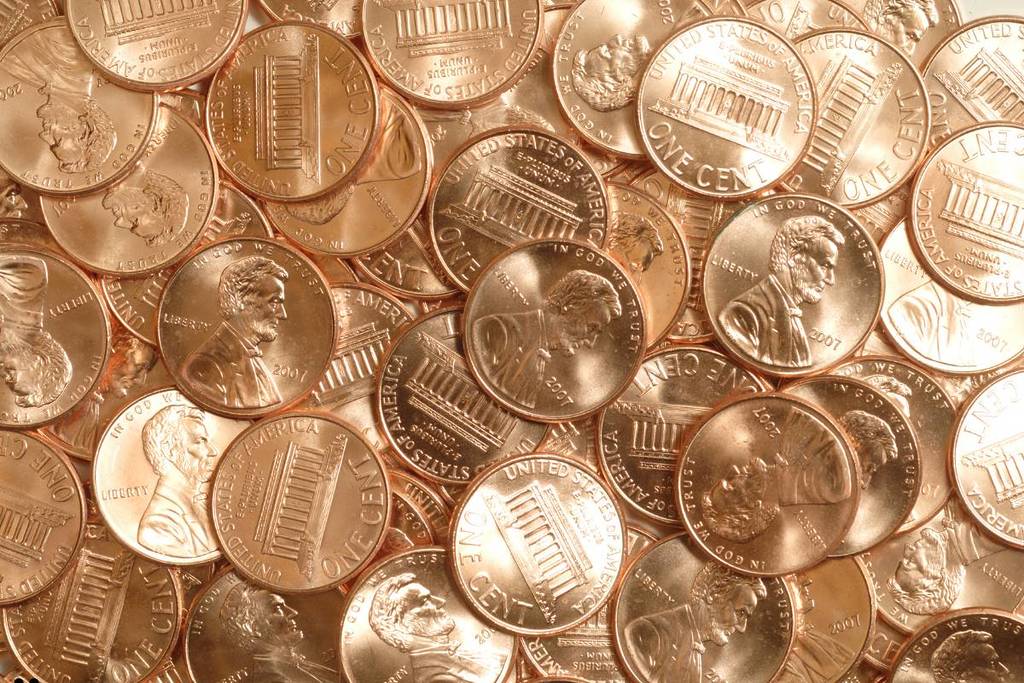
The penny, America’s most familiar and enduring coin, officially met its end on November 12, 2025, right where it began: the U.S. Mint in Philadelphia. After 232 years of circulation, the final batch of one-cent coins was stamped in a ceremony that felt as much like a eulogy as a celebration of history.
Born in 1793, just a year after the Mint’s founding, the penny began as a symbol of liberty, stamped from pure copper and emblazoned with a flowing-haired woman representing freedom. It would go on to become an icon of thrift and modesty.
From jingling in pockets, filling piggy banks, and granting wishes when tossed into fountains, it was much more than a coin—it was a symbol of Americana.
Why was the penny so symbolic for Americans?
For generations, the penny represented more than the one cent’s worth of value. It embodied the American ideals of hard work and saving— “a penny saved is a penny earned,” after all. It helped define everyday life, from “penny candy” to 99-cent pricing psychology that marketers still use today.
Indeed, its cultural footprint stretched even further. Pennies were pressed into souvenirs at landmarks, slipped into loafers, or placed on gravestones to honor the fallen.
As numismatist Michael Turco reflected, “The penny wasn’t just currency; it was memory, meaning, and American grit in miniature.”
When was it discontinued?
In 2024, the U.S. Mint reported that producing a single penny cost 3.7 cents, making it more expensive to make than to spend. Meanwhile. the digital era and the decline of cash transactions rendered it increasingly obsolete.
Earlier this year, President Donald Trump authorized the Treasury Department to end production indefinitely.
By May, the Mint had ordered its final blanks. The last office strike in Philadelphia this week sealed its fate and its place in history.
How will the penny be remembered in Philly and beyond?
In Philly, the birthplace of America’s money, this passing feels personal. The Mint’s staff honored the moment with speeches and nostalgia, recognizing the coin that had quietly carried the face of Abraham Lincoln and the nation’s small-change spirit for over a century.
Economist Gabriel Mathy summed it up: “It’s the end of an era. The penny was humble, but it reflected who we are— practical, persistent, and just a bit sentimental.”
Though its purchasing power long faded, the penny remains a small but mighty emblem of America’s story…one that began, and fittingly ended, in Philadelphia.