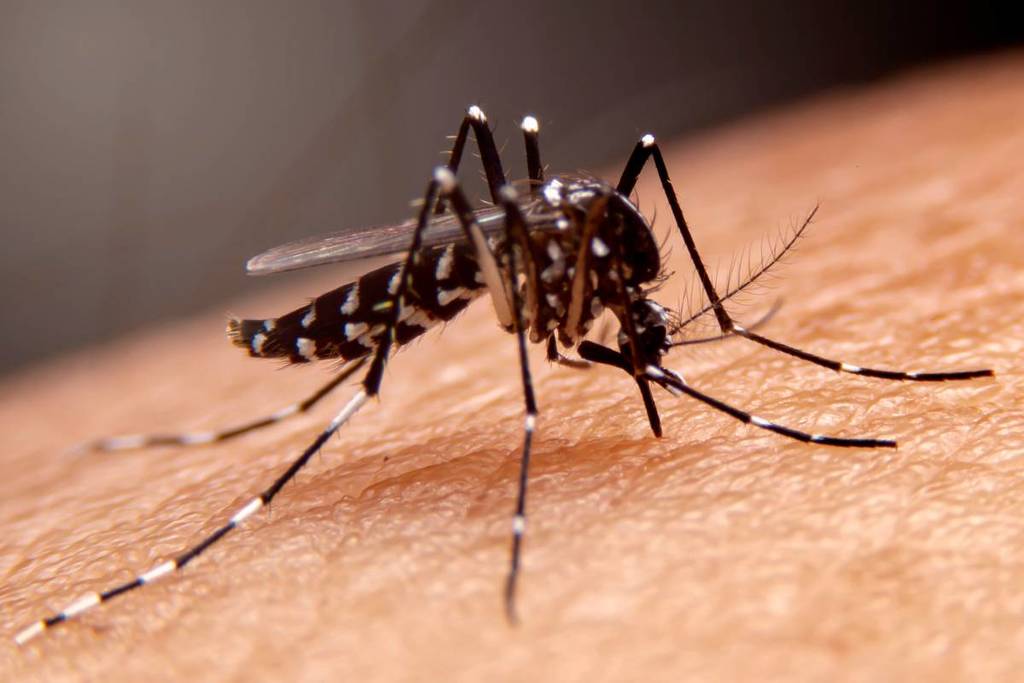
Philadelphia health officials are urging residents to take precautions after mosquitos carrying West Nile virus were recently detected in Northeast Philly, specifically near Pennypack Park.
Here’s what you need to know to stay safe.
🦟 What is West Nile virus?
According to the CDC, West Nile virus (WNV) is a mosquito-borne illness that can cause mile to severe health issues in humans. While many people who contract the virus don’t show symptoms, others may experience flu-like illness or, in rare cases, serious complications affecting the brain or nervous system.
😷 What are the symptoms of West Nile virus?
Important to note, most people who get infected won’t feel sick.
But about 1 in 5 will develop symptoms like:
- Fever
- Headache
- Body aches
- Fatigue
- Joint pain
- Rash
- Vomiting or diarrhea
In more serious cases (1 in 150), especially among older adults or those with weakend immune systems, the virus can lead to:
- Encephalitis (brain inflammation)
- Meningitis (spinal cord inflammation)
- Muscle weakness or paralysis
If you or someone you know is experiencing unexplained neurological symptoms, especially during mosquito season, health officials recommend getting tested WNV right away.
🏥 What is the city doing about it?
Philadelphia’s Department of Public Health regularly monitors mosquito activity across the city. On July 7, they confirmed the season’s first positive mosquito sample in the Northeast, prompting an advisory to medical providers.
Doctors are now being urged to test for WNV through October or until the first frost, and to report any suspected or confirmed cases to the health officials immediately.
🧴 How can I protect myself and my family?
Indeed, the best defense is prevention. Here’s how to lower your risk:
- Use insect repellant with DEET, picaridin, or oil of lemon eucalyptus.
- Wear long sleeves and pants, especially from dusk to dawn when mosquitos are most active.
- Dump standing water in buckets, flower pots, gutters, and birdbaths (mosquitos lay eggs in still water).
- Keep window screens in good repair to prevent bugs from getting inside.
-
Stay informed by checking local health alerts, especially if you live near wooded areas or parks like Pennypack.
📍 Is West Nile common in Philadelphia?
Unfortunately, yes- WNV appears in Philadelphia every year, usually in late summer or early fall. While most years see only a few human cases, it’s important to stay vigilant, especially when the virus shows up in mosquito samples this early in the season.
💡 What should I do if i suspect I have it?
If you experience any of the listed symptoms -especially anything affecting your nervous system- see a healthcare provider immediately, Testing can confirm the virus, and early medical attention can help prevent complications.
Stay safe, Philly. Mosquitos might be small, but the risk isn’t.